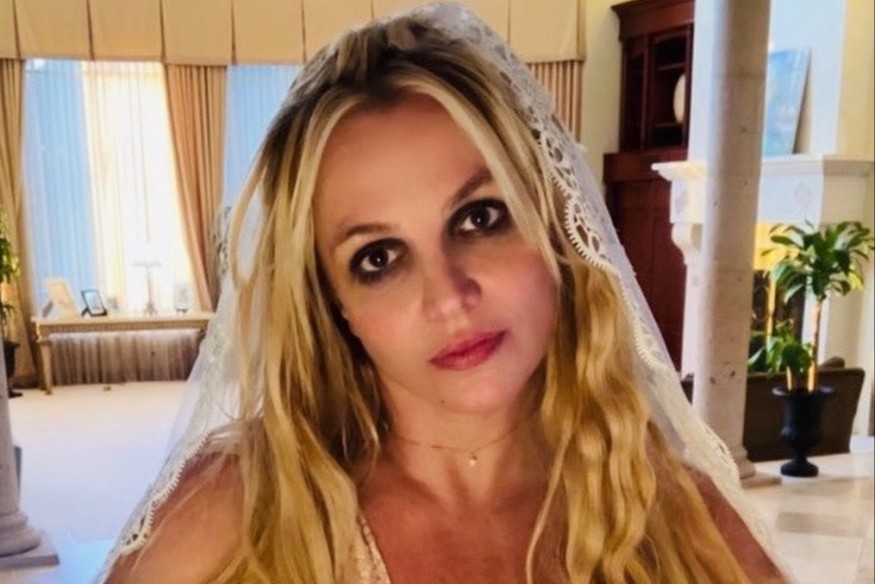
Britney Spears has officially avoided jail after pleading guilty to reckless driving in a case connected to DUI-related allegations, closing another difficult chapter in a period that has kept her personal life under intense public scrutiny. The singer reached an agreement with prosecutors in California, allowing the more serious charge tied to driving under the influence to be dropped in exchange for a reduced offense and a supervised rehabilitation-focused sentence.
What the court ruling really means:
Britney Spears avoided jail through a plea agreement that reduced the original DUI-related charge.
The court instead imposed supervision, mandatory treatment and strict driving-related conditions.
The outcome immediately sparked discussion across entertainment media, not only because of Britney Spears’ global profile, but also because the case reflects the ongoing balance between accountability, recovery and public pressure in celebrity culture. For Britney Spears, the resolution of the case appears to represent both legal closure and the beginning of another attempt to stabilize her personal life after years of turbulence in the spotlight.
The case was heard in California, where Britney Spears, through her legal team, entered a guilty plea to reckless driving. Prosecutors agreed to dismiss the original DUI accusation as part of the negotiated settlement, significantly reducing the legal consequences she could have faced. Rather than moving toward incarceration, the court focused on monitoring, rehabilitation and behavioral conditions designed to prevent future incidents.
Britney Spears did not personally appear in court during the hearing, but her attorney stated that the singer has already begun taking steps toward personal recovery and stability. According to the defense, this proactive approach played an important role in shaping the final agreement and influencing how the court viewed the situation moving forward.
The sentence includes 12 months of supervised probation, during which Britney Spears must comply with multiple legal and behavioral requirements. Among them are restrictions connected to driving, mandatory cooperation with law enforcement checks while operating a vehicle and limitations regarding the possession or use of substances without a valid medical prescription.
The court’s decision focused more on rehabilitation than punishment.
One of the most significant aspects of the ruling involves mandatory mental health treatment and educational programs connected to impaired driving awareness. Britney Spears will be required to continue attending therapy sessions and complete a court-approved program addressing dangerous driving behavior and substance-related risks.
The original incident dates back to March, when authorities reportedly stopped Britney Spears after receiving reports of unsafe driving behavior. According to information presented during the investigation, her vehicle was allegedly moving erratically at high speed, prompting police intervention. Officers then proceeded with further checks that ultimately led to her arrest before she was later released.
What appears to have heavily influenced the outcome of the case was Britney Spears’ reported voluntary decision to enter a treatment and recovery program shortly after the arrest. Prosecutors acknowledged that this decision demonstrated a willingness to address underlying issues instead of avoiding responsibility for the situation.
“The case ended with a balance between accountability and a second chance.”
That distinction became central to the legal handling of the case. Rather than emphasizing punitive measures alone, the court framed the decision around long-term prevention and rehabilitation. Legal experts following the case noted that modern approaches in similar situations increasingly prioritize recovery when defendants show active cooperation and willingness to seek help.
At the same time, the restrictions imposed remain serious. If Britney Spears were to become involved in another similar incident in the future, the current conviction could significantly increase potential legal consequences. The agreement therefore functions both as an opportunity for recovery and as a warning regarding future conduct.
The development adds another highly publicized chapter to Britney Spears’ already complicated relationship with fame, personal struggles and media attention. Over the years, the singer’s life has frequently moved beyond music headlines and into broader public conversations surrounding mental health, celebrity pressure and personal freedom.
Despite the controversies that have surrounded different periods of her life, Britney Spears continues to remain one of the defining figures of modern pop culture. Every personal development connected to her inevitably becomes amplified due to the intense visibility that has followed her career since the late 1990s.
This latest situation once again highlights the difficult reality faced by globally recognized celebrities, whose private struggles often unfold under constant public observation. In Britney Spears’ case, even legal matters quickly become part of a wider cultural narrative that extends beyond the courtroom itself.
The handling of the case also reflects broader changes in how the legal system approaches incidents connected to mental health and substance-related concerns. Courts increasingly appear willing to incorporate treatment-focused conditions into sentencing when defendants demonstrate active participation in recovery efforts.
For Britney Spears, the resolution may now create space for a more controlled and stable period moving forward. Her legal team has emphasized that she is focused on improving her health, maintaining structure in her daily life and continuing therapeutic support.
The public reaction remains divided. Some view the outcome as a fair second chance for someone visibly attempting to regain stability, while others believe the case once again demonstrates how celebrity status can influence legal outcomes. Regardless of perspective, the story continues to fuel discussion around accountability, rehabilitation and the pressures attached to life in the public eye.
The timing of the case is particularly notable as Britney Spears continues to rebuild both her public image and her personal independence following years of highly publicized legal battles surrounding her conservatorship. Every new development is therefore interpreted not only as an isolated event, but as part of a much larger ongoing narrative about control, recovery and reinvention.
Her supporters have largely responded with cautious optimism, hoping the singer’s willingness to engage in treatment signals a healthier direction after years of instability and scrutiny. Meanwhile, critics remain skeptical about whether long-term change will follow.
What remains clear is that Britney Spears’ story continues to evolve in real time under extraordinary levels of attention. The reckless driving case may now be legally resolved, but its broader implications — both personal and public — will likely continue to shape conversations surrounding the singer for months ahead.