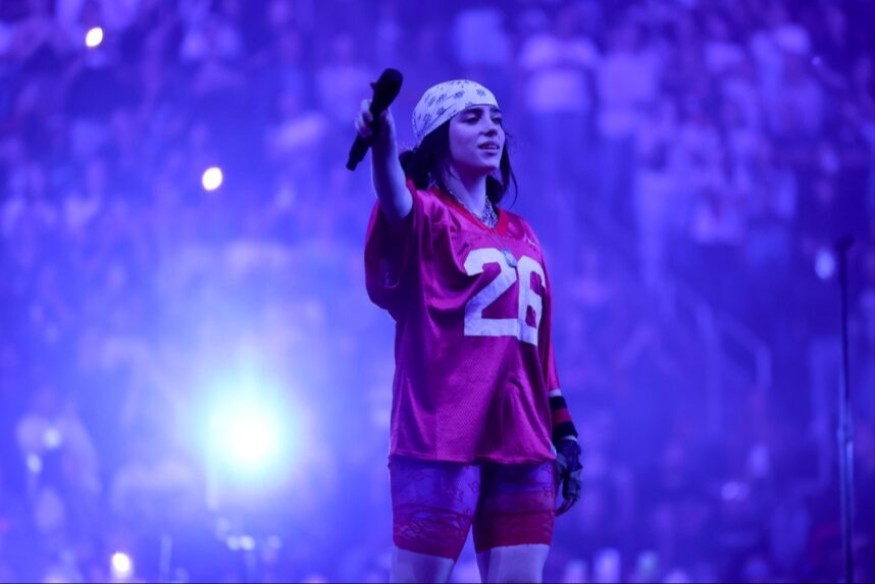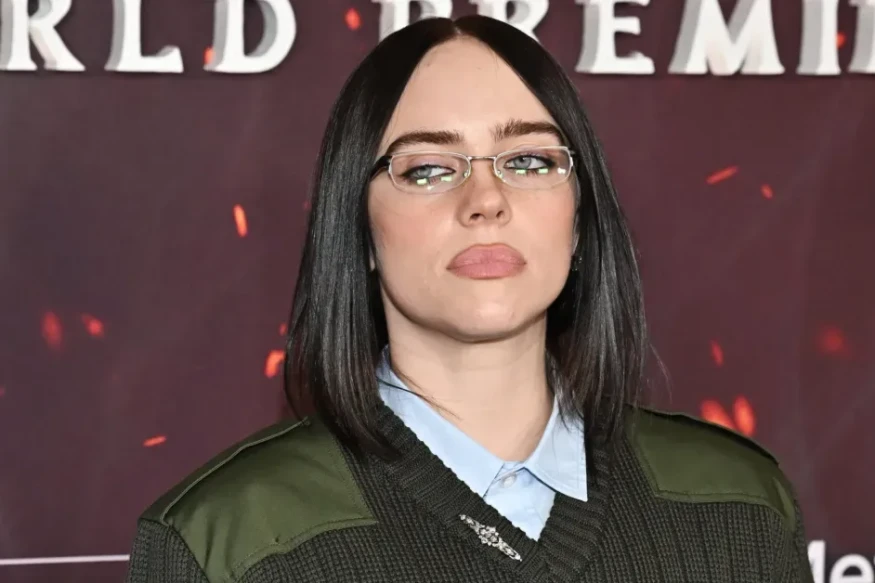
Finneas publicly stands by Billie Eilish after her Grammy speech on immigration rights sparked debate, turning the awards night into a moment of cultural and political conversation.
Billie Eilish turned one of the biggest moments of the Grammy Awards into something far more meaningful than a celebration of music. While accepting the award for Song of the Year, she used the stage to speak openly about immigration rights and to criticize the actions of ICE, shifting the spotlight from trophies to real-world consequences. The speech immediately became one of the most talked-about moments of the night, drawing both strong reactions and widespread support. Standing firmly beside her was her brother and longtime collaborator, Finneas, who made it clear that he fully supported her choice to speak out.
The win for the song Wildflower marked yet another milestone in Billie Eilish’s already remarkable career. However, the focus of the evening quickly moved beyond the music itself. When she stepped up to accept the award, she chose not to keep her remarks neutral or celebratory. Instead, she addressed an issue that continues to shape the lives of millions of people in the United States. Her words centered on the fear experienced by immigrant families and the need for public figures to speak when human rights are at stake.
Her message was emotional but deliberate. Billie Eilish stressed that no human being should ever be labeled as illegal and urged people not to remain silent in the face of injustice. She encouraged audiences to stay vocal, informed, and supportive of those affected by aggressive immigration enforcement. The speech was not framed as a sudden outburst, but as a continuation of values she has consistently expressed throughout her career.
Finneas was right there beside her, both literally and symbolically. Their partnership has always gone beyond songwriting and production. It extends into how they approach visibility, responsibility, and public influence. During the ceremony, both siblings wore pins expressing opposition to ICE, making it clear that the message was planned, shared, and intentional. This visual statement reinforced the seriousness of Billie Eilish’s words and emphasized that she was not standing alone.
Reactions followed almost immediately. As clips of the speech circulated online, criticism emerged from certain figures in positions of power. Some questioned whether an awards show was the right place for political commentary, while others targeted Billie Eilish personally for using her platform in that way. The backlash came largely from older voices within established systems, highlighting a familiar tension between generations.
Finneas responded publicly and without hesitation. In a post shared shortly after the ceremony, he pointed out how telling it was to see powerful people become angry over a speech delivered by a young artist. His message suggested that the intensity of the reaction revealed more about the critics than about the content of Billie Eilish’s words. Rather than softening the moment, his response sharpened it, framing the controversy as part of a broader cultural shift.
His defense was not simply an act of brotherly loyalty. It reflected a deeper divide within the music industry and society as a whole. On one side, a younger generation of artists who see activism as a natural extension of their public role. On the other, an older framework that prefers major cultural stages to remain free of political discomfort. Finneas’ statement made it clear which side he and his sister stand on.
The Grammys that year featured more than one moment of social commentary. Several artists used their time on stage or their presence on the red carpet to express similar concerns. Pins, symbols, and statements appeared throughout the night, creating a shared visual language that went beyond individual speeches. What emerged was not an isolated protest, but a collective atmosphere of awareness.
Billie Eilish’s stance fits naturally into her broader public identity. From the beginning of her career, she has spoken openly about mental health, body image, and the pressures of fame. Her willingness to address uncomfortable topics has always been part of her connection with fans. The Grammy speech did not represent a departure from that path, but rather a continuation of it on a larger stage.
Musically, Wildflower stands as a key moment in her third studio album and its success added another major award to her growing list. With this win, Billie Eilish reached a total of ten Grammy Awards, further solidifying her position as one of the most influential artists of her generation. Still, for many viewers, the trophy itself felt secondary to the message delivered alongside it.
Inside the venue, the response appeared largely supportive. Billie Eilish seemed grounded and confident, drawing strength from the sense of solidarity around her. She later emphasized the importance of unity, noting that moments of shared support can offer hope even during deeply divided times. The atmosphere suggested that many in the room understood the weight of what had been said.
Finneas’ public backing also highlighted the unique dynamic between the siblings. Their creative partnership has always been built on trust and shared values. Whether in the studio or in public life, they present a united front. In an industry where many artists avoid clear positions to protect their image, their consistency stands out.
The moment ultimately transformed the Song of the Year award into something more than a musical achievement. It became a symbol of how pop culture and social responsibility can intersect without dilution or fear. Billie Eilish’s decision to speak and Finneas’ decision to defend her reinforced the idea that success can coexist with conviction.
As the conversation continued in the days following the ceremony, one thing became clear. For this generation of artists, awards are not just endpoints, but platforms. The Grammy stage served not only as recognition for a song, but as a space where values were openly expressed.
In standing by Billie Eilish, Finneas amplified that message rather than softening it. Together, they demonstrated that influence is not only measured by sales or trophies, but by the willingness to speak when silence feels easier. The moment left a lasting impression, reminding audiences that music does not exist in a vacuum, and neither do the artists who create it.