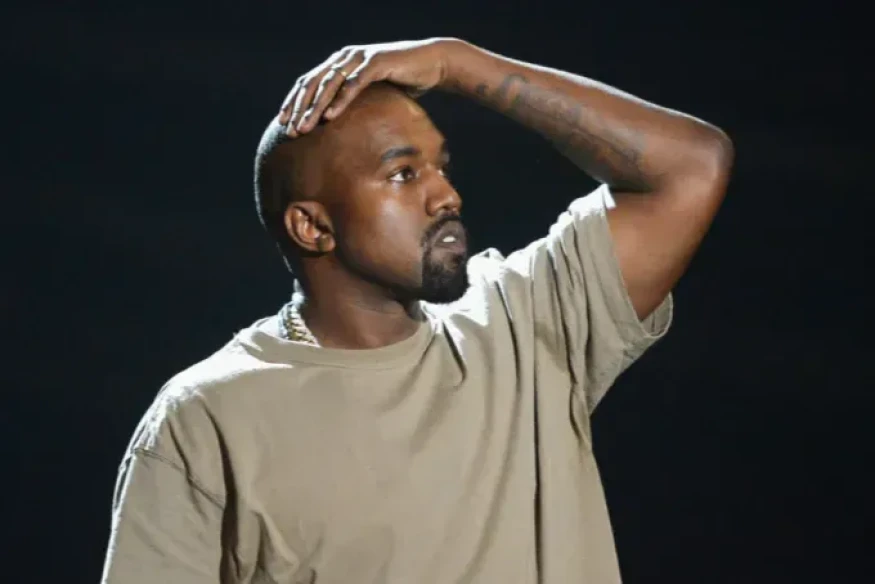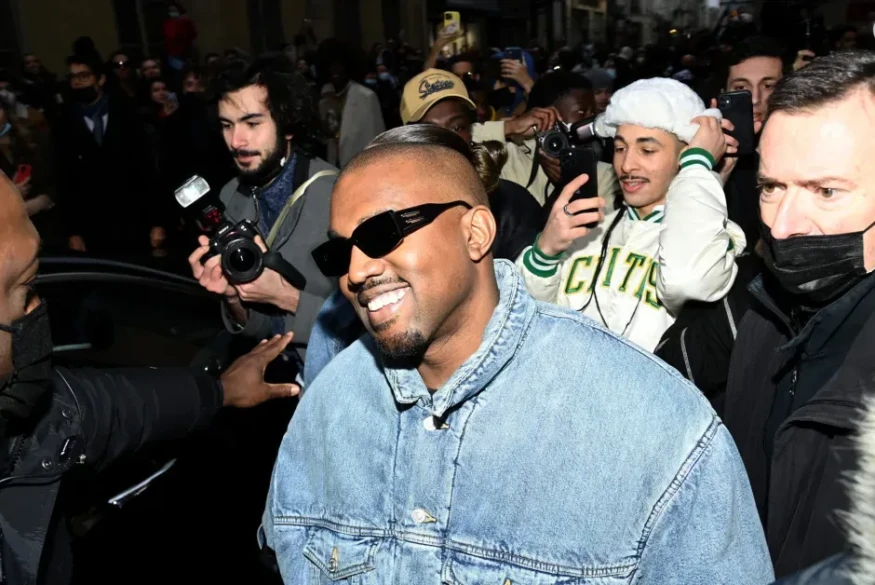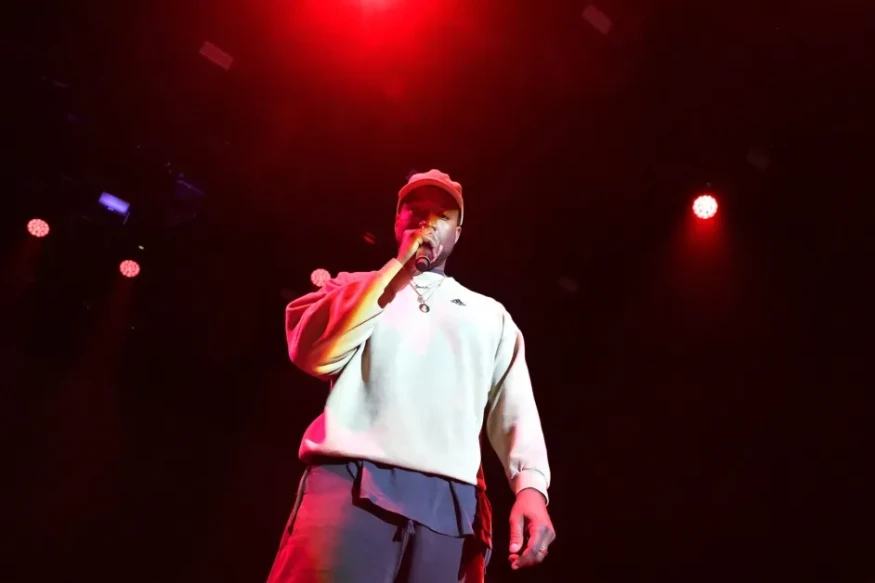
Kanye West returned to federal court in Los Angeles this week as the legal battle surrounding “Hurricane” from his album Donda moved into a critical new phase. During his testimony, the rapper spoke openly about sample disputes, royalty negotiations and the pressure of operating inside a music industry where, according to him, many people attempt to benefit from his fame and influence.
What the lawsuit is really about:
Four producers claim an unauthorized sample was used in an early version of “Hurricane.”
Kanye West insists his team followed the proper clearance process before the song was publicly previewed.
The case centers around an early demo version of “Hurricane,” the track that later became one of the standout records from Donda and eventually reached the Top 10 of the Billboard Hot 100. Featuring both The Weeknd and Lil Baby, the song evolved into one of Kanye West’s biggest commercial successes of that era and later earned Grammy recognition.
However, the legal dispute focuses specifically on a version of the song played during the famous Donda listening event at Atlanta’s Mercedes-Benz Stadium in the summer of 2021. Producers DJ Khalil, Sam Barsh, Dan Seeff and Josh Mease allege that material from their instrumental composition “MSD PT2” was used without full authorization during that presentation.
According to the lawsuit, the disputed sample appeared in the unreleased demo version long before the official commercial release of Donda. The producers argue that they were not properly compensated and that the sample usage moved forward before negotiations had been finalized.
Kanye West, however, strongly disputed those claims during his testimony.
“I feel like a lot of people try to take advantage of me.”
That statement immediately became the defining headline of the courtroom proceedings and quickly spread across social media and entertainment media outlets after the hearing concluded. Kanye West argued that his global profile and financial success often lead people to demand larger percentages, more credits or higher compensation simply because his name is attached to a project.
Throughout the hearing, West appeared calm, focused and unusually measured in his responses. Dressed in a gray suit, he discussed his creative process, the collaborative nature of his music and the complexity of negotiating rights and credits inside modern hip-hop production.
According to his testimony, his team attempted to clear the sample through standard industry procedures but encountered repeated delays during negotiations. West claimed the producers involved rejected terms that he considered “industry standard” for percentages and songwriting credits.
He also emphasized that he has historically tried to compensate collaborators fairly throughout his career.
Kanye West said he considers himself “very generous” when it comes to credits and royalties.
The rapper explained that his music has always depended heavily on collaboration between producers, musicians, engineers and songwriters from different creative backgrounds. Because of that, he argued that maintaining relationships with collaborators remains extremely important to him — even amid legal disputes like this one.
The lawsuit itself represents one of several copyright-related legal battles Kanye West has faced throughout his career. Sampling has been central to his sound almost from the beginning, from his early soul-inspired productions to the layered sonic approach that defined albums like My Beautiful Dark Twisted Fantasy, The Life of Pablo and Donda.
But unlike some previous disputes that were resolved privately, this case has now advanced to a full courtroom trial, placing the internal mechanics of modern music production under public scrutiny.
At the same time, the court has already narrowed the scope of the lawsuit significantly. Initially, the plaintiffs attempted to pursue claims related not only to “Hurricane” but also to “Moon,” another track connected to the Donda era. However, the judge ruled that the company controlling the rights to “MSD PT2” could proceed only on direct sample usage claims rather than broader interpolation arguments.
That decision shifted the case away from the officially released commercial version of “Hurricane” and focused attention almost entirely on the Atlanta listening-party demo.
“The lawsuit once again highlights how complicated sample culture and copyright law have become inside modern music.”
Another major issue raised during the hearing involved the financial impact of the Donda listening event itself. The plaintiffs argue that they deserve compensation tied not only to the song but also to the revenue generated by the Atlanta presentation, including ticket sales, merchandise and the Apple Music livestream partnership connected to the event.
Kanye West pushed back against that argument directly in court.
According to his testimony, fans attended the event primarily because they wanted to experience new music and the larger Donda rollout — not specifically because of the disputed version of “Hurricane.” He argued that the audience would have attended regardless of whether the sample appeared during the performance.
At one point, he even remarked that fans often purchase merchandise before hearing the music itself, using that example to challenge the idea that the disputed demo directly drove the event’s financial success.
Despite the seriousness of the proceedings, there were also lighter moments during the hearing. One of the few visible breaks in tension came when West jokingly corrected a reference to the song “Brothers in Paris,” prompting laughter inside the courtroom.
Still, the broader implications of the case remain significant.
Over the last several years, Kanye West’s public image has frequently been dominated by controversy, personal turmoil and unpredictable public statements. Yet this courtroom appearance reminded many observers that music itself remains central to his identity and that he continues to take the structure and ownership of his projects seriously.
For many inside the hip-hop industry, the dispute extends beyond a single sample or financial disagreement. It reflects the increasingly blurred boundaries between inspiration, interpolation, sampling and copyright in an era where modern production often builds upon decades of pre-existing recordings.
As the trial continues, the case may ultimately become another important reference point in the ongoing conversation about ownership and creativity in contemporary music.