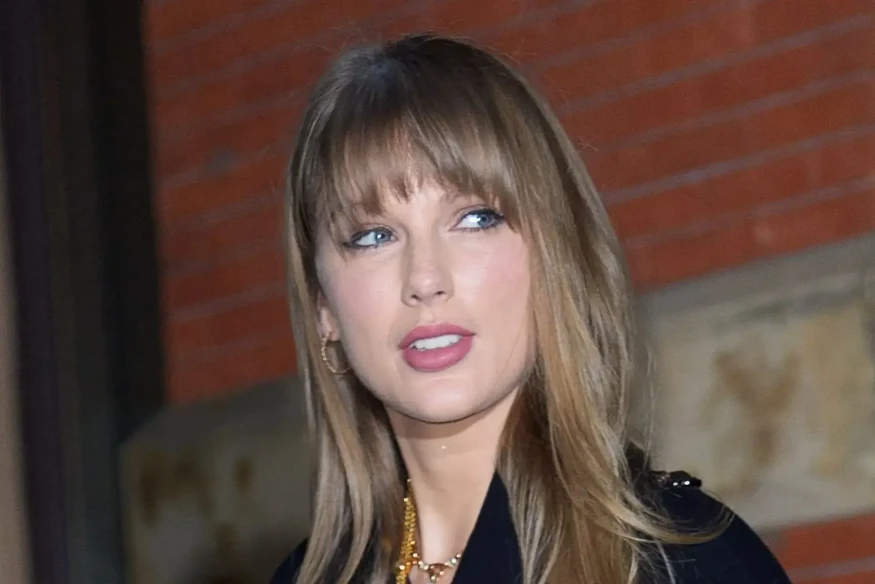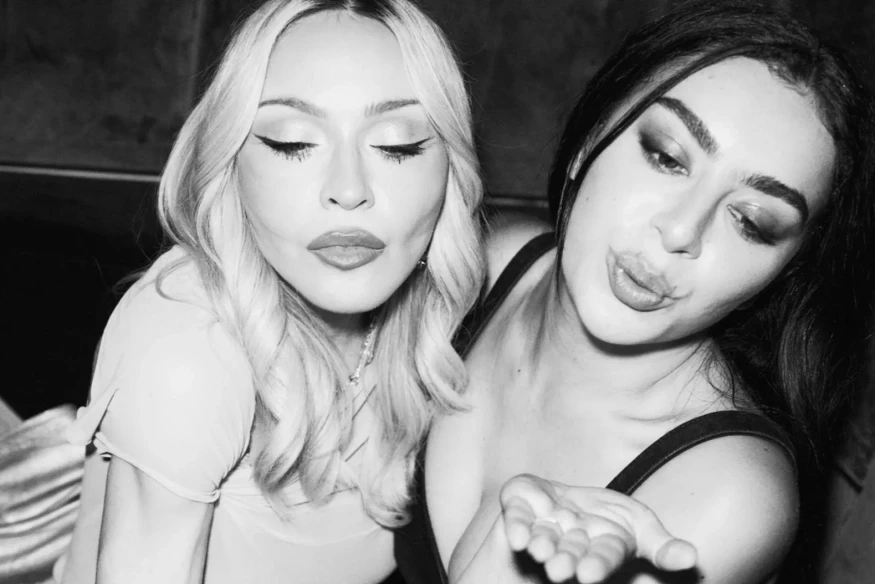
Madonna and Taylor Swift emerged from the 2026 MTV Video Music Awards with two very different kinds of history behind them. Madonna returned to the VMA stage after 23 years and finished the night with seven wins, more than any other artist. Swift, meanwhile, extended two records she already owned, taking her sixth Video of the Year and fifth Best Direction award.
The 2026 MTV Video Music Awards belonged to two artists whose relationships with the ceremony could hardly be more different in age, yet felt unusually connected by the end of the night.
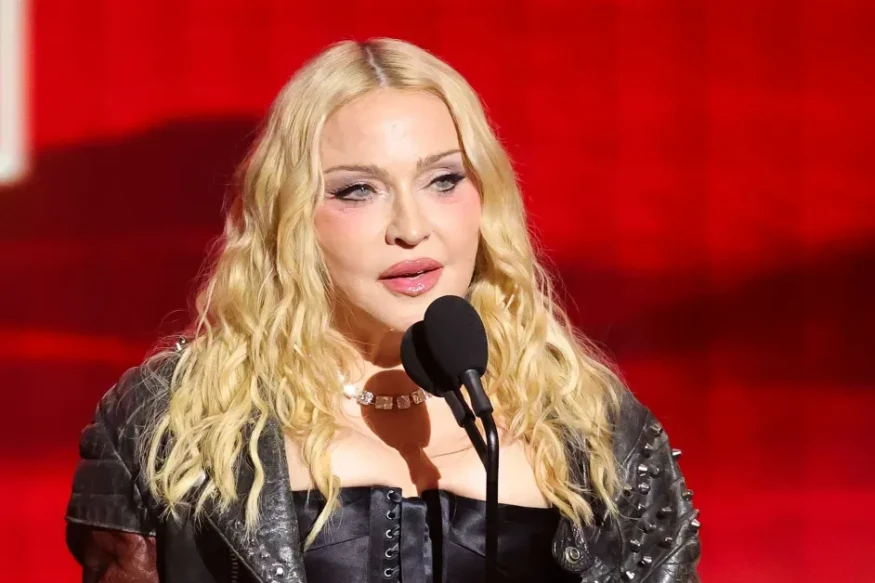
Madonna returned to the VMA stage as a performer for the first time in 23 years and left with seven awards. Taylor Swift arrived with a modern VMA record already in place and pushed it even further, winning Video of the Year for a sixth time and Best Direction for a fifth.
The result was a ceremony where history was not being treated as something safely stored in the past. It was being rewritten in real time.
For Madonna, the night began with the kind of entrance that immediately connected the 2026 show to the earliest years of MTV. She opened the ceremony, marking the fifth time she has launched the VMAs and moving ahead of Rihanna, with whom she had previously shared the record at four.
That achievement would have been enough to make the return significant. It had been more than two decades since Madonna last performed at the awards, and few artists have a deeper association with the show’s mythology.
Instead, the opening became only the first chapter.
By the end of the ceremony, Madonna had collected seven awards, the largest total of the night. Among them was Artist of the Year, giving the 68-year-old another new distinction as the oldest winner of the category since it was introduced in 2017.
She also shared Best Collaboration with Sabrina Carpenter for “Bring Your Love,” while “Confessions II” and its visual world carried her through several additional categories.
The scale of the result made the evening feel less like a ceremonial tribute to an artist with a long past and more like a reminder that Madonna is still competing inside the current pop landscape.
That distinction matters.
The VMAs have celebrated Madonna’s history countless times because so much of the ceremony’s own visual identity was shaped by moments involving her. The difference in 2026 was that she was not simply appearing as an icon from another era. She was winning against the music and videos of the present one.
Her return also arrived with a familiar sense of circularity. The same artist who helped define what an MTV performance could look like during the channel’s formative years was now breaking another VMA record more than four decades later.
Taylor Swift’s history-making night operated in the opposite direction.
There was no comeback narrative to frame her wins. Instead, she continued extending records that had already separated her from the rest of the field.
“The Fate of Ophelia” won Video of the Year, giving Swift her sixth victory in the category. No other artist has come close to that total. The nearest names in VMA history remain on two wins, leaving Swift with a gap that now looks increasingly difficult to close.
Her other major competitive win came in Best Direction for “Opalite.”
It was her fifth victory in that category after previous wins for “The Man,” “All Too Well: The Short Film,” “Anti-Hero” and “Fortnight.” The result further established directing as something central to the way Swift now presents her music, rather than a secondary credit attached to a few select projects.
MTV reinforced that connection by introducing the Artist Director Honor and giving its inaugural award to Swift.
The timing was particularly effective because the ceremony also hosted the premiere of her new “Patient Zero” music video, directed by Swift and featuring Colin Farrell and Dakota Johnson.
That premiere brought the evening back to the present tense.
Only days earlier, Swift had released “The Life of a Showgirl: The Encore,” adding four newly recorded songs to the album. “Patient Zero” was already positioned as the most cinematic of the new material, and the VMAs gave it a high-profile launch immediately after the expanded project arrived.
The contrast between Madonna and Swift created one of the strongest stories of the night without requiring the show to force a generational rivalry between them.
Madonna’s milestones came from longevity, return and an extraordinary haul of current awards. Swift’s came from continuing to extend records that have accumulated during a much more recent period of VMA dominance.
Both routes led to the same place: a ceremony where the biggest historical numbers belonged to women who were still actively releasing and presenting new work.
The rest of the show had its own record-making moments.
BTS finished with three awards for “Swim,” winning Song of the Year, Best K-Pop and Best Group. The three-for-three result gave the group another highly efficient VMA night and pushed two of its category records further.
Their Best K-Pop win was the fourth of their career, taking them beyond the previous tie with LISA. Best Group became an even bigger marker: BTS now have five victories in the category, more than any other group in VMA history.
“Swim” had already reached No. 1 on the Billboard Hot 100, but the VMAs gave the song a different kind of recognition by rewarding it across both genre and headline categories.
Sienna Spiro had one of the clearest breakthrough moments of the ceremony, winning Best New Artist. The award arrived during a year in which her profile has grown rapidly, but the VMA win stands on its own without needing to become a prediction about what comes next.
Ariana Grande also added another repeat victory to her VMA history.
“Hate That I Made You Love Me” won Song of Summer, giving Grande her second award in the category after “Boyfriend” with Social House won in 2019. The track also picked up Best Visual Effects, adding another technical win to the night.
The special honors widened the ceremony’s historical scope even further.
Nirvana received the Video Vanguard Award, placing the band inside one of MTV’s longest-running traditions of recognizing artists whose visual work has shaped music culture. The honor also brought rock history into a show otherwise dominated by contemporary pop, K-pop and global crossover acts.
The evening included tributes to two artists whose influence stretches across generations. Kacey Musgraves participated in a tribute to Dolly Parton, while RAYE, SOMBR, Teddy Swims and Adam Lambert came together to honor George Michael.
Those performances gave the night another layer beyond competition.
The strongest VMAs often work because they allow very different eras of music to occupy the same stage without pretending those eras are interchangeable. The 2026 ceremony did that unusually well.
Madonna could open the show after 23 years away from performing there, win seven awards and still feel entirely part of the current conversation. Swift could premiere a new video, accept a directing honor and extend records that are still growing. BTS could strengthen their own VMA legacy while Sienna Spiro received her first major breakthrough award.
Even the technical categories reflected the range of the night.
“Confessions II – The Film” won Best Dance, Best Cinematography, Best Choreography and Best Long Form Video, while “Confessions II” took Best Album. Sabrina Carpenter won Best Editing for “House Tour,” and PinkPantheress with Zara Larsson took Best Art Direction for “Stateside.”
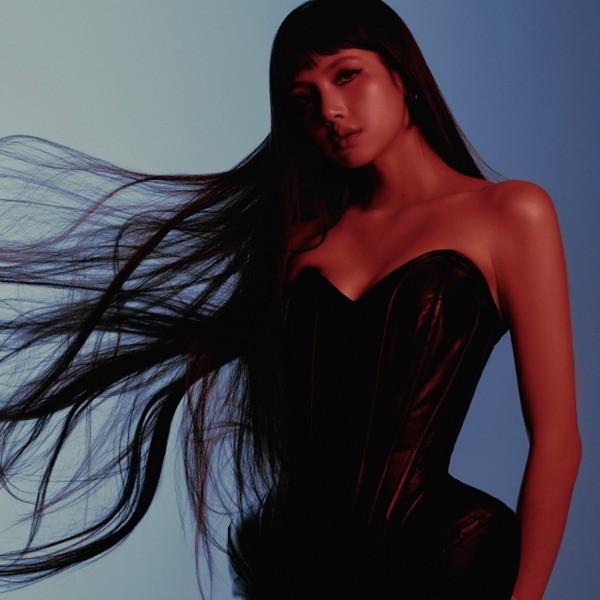
Elsewhere, LISA won Best Pop for “Dream” featuring Kentaro Sakaguchi, Cardi B and Kehlani took Best Hip-Hop for “Safe,” Bruno Mars won Best R&B for “I Just Might,” Olivia Rodrigo claimed Best Alternative for “the cure,” Bad Bunny won Best Latin for “NUEVAYoL,” and Ella Langley took Best Country for “Choosin’ Texas.”
But the image that will define the 2026 VMAs is simpler than the full winners list.
Madonna returned to a stage she helped turn into pop history and collected seven awards at 68. Taylor Swift took two of the ceremony’s most important creative categories and moved her own VMA records further out of reach.
One artist came back after more than two decades away from performing at the show. The other continued a run that has made her one of its defining modern figures.
Both left with numbers nobody before them had reached.