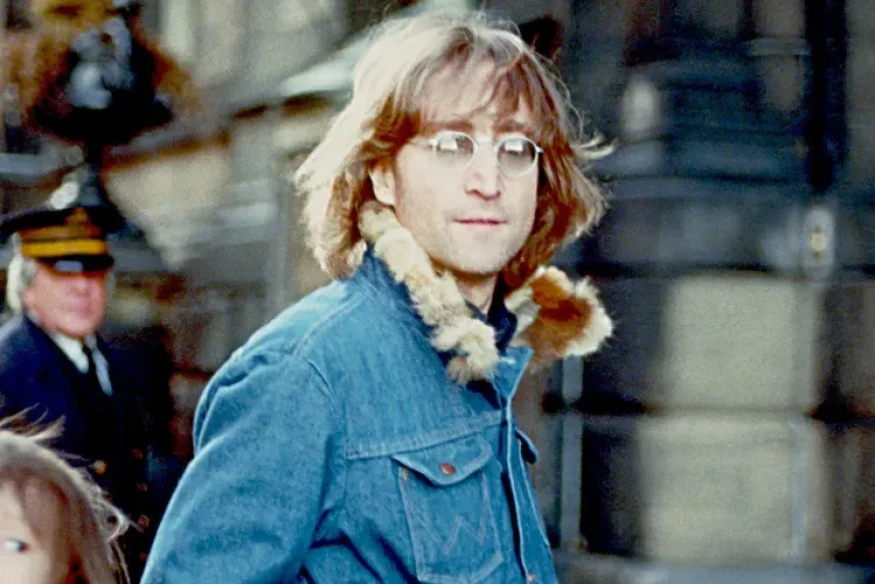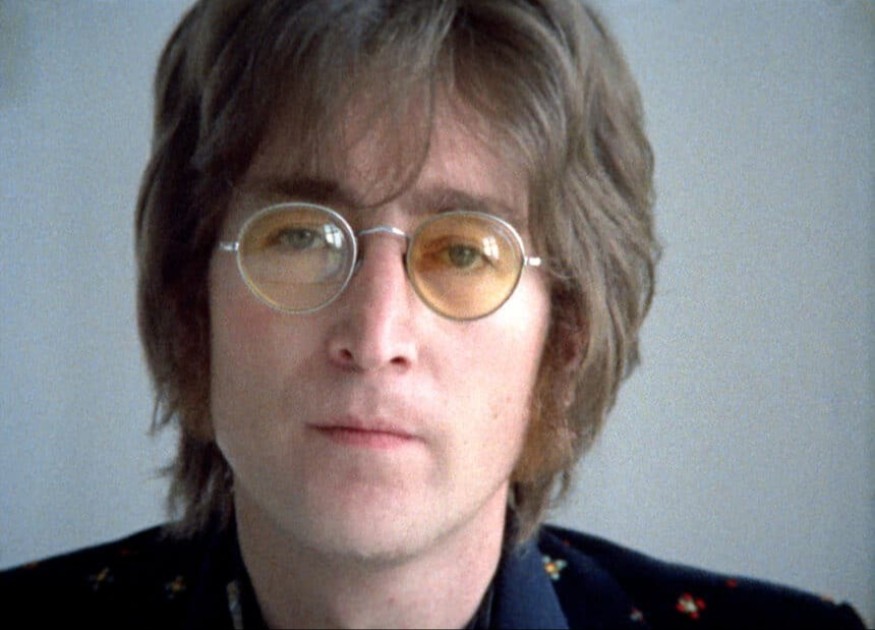
The final interview John Lennon gave just hours before his murder is returning to the spotlight through the new documentary John Lennon: The Last Interview. The recordings reveal a man full of creative energy, hope and plans for the future, speaking openly about music, family and growing older without knowing that only hours later the history of music would change forever outside the Dakota building in New York City.
There are certain moments in music history that feel frozen in time forever. John Lennon’s final interview is one of them. Not simply because it was recorded only hours before his death, but because of the striking contrast between what listeners hear in his voice and what the world now knows happened later that same night. The conversation captures a man who sounded optimistic, reflective and creatively alive, someone who appeared excited about the future rather than haunted by the end.
The interview took place on December 8, 1980, inside the Dakota building in New York City. John Lennon and Yoko Ono sat down with RKO Radio for an extended conversation focused on music, relationships, creativity and the release of Double Fantasy, the album that had marked Lennon’s long-awaited return after five years away from the music industry. Hours later, Lennon would be murdered outside the same building that had become both his home and personal sanctuary.
Now, through Steven Soderbergh’s documentary John Lennon: The Last Interview, parts of that final conversation are once again being heard by audiences around the world. Listening to the recordings today feels almost surreal. Lennon speaks casually and openly about the future, about growing older and about continuing to create music for as long as he possibly could.
One of the most chilling moments comes when Lennon says he believes his work will continue until he is “dead and buried,” before quickly adding that he hopes that moment is still very far away. Knowing what happened only hours later transforms those words into something almost unbearable to hear today. What sounded like ordinary reflection in 1980 now feels painfully prophetic.
“John Lennon was talking about the future without knowing he had only hours left.”
What makes the interview especially emotional is how alive Lennon sounds throughout the conversation. After stepping away from public life for several years, he seemed genuinely energized by his return to music. Double Fantasy represented much more than a comeback album for him; it symbolized a personal rebirth after years spent focusing on family life and raising his son Sean.
Lennon describes the creative process during that period as an explosion of inspiration. According to him, melodies, lyrics and ideas had started flowing naturally again after years of silence. There is no sign of someone emotionally exhausted or disconnected from music. Instead, the interview reveals an artist who appeared eager to enter a completely new phase of his career.
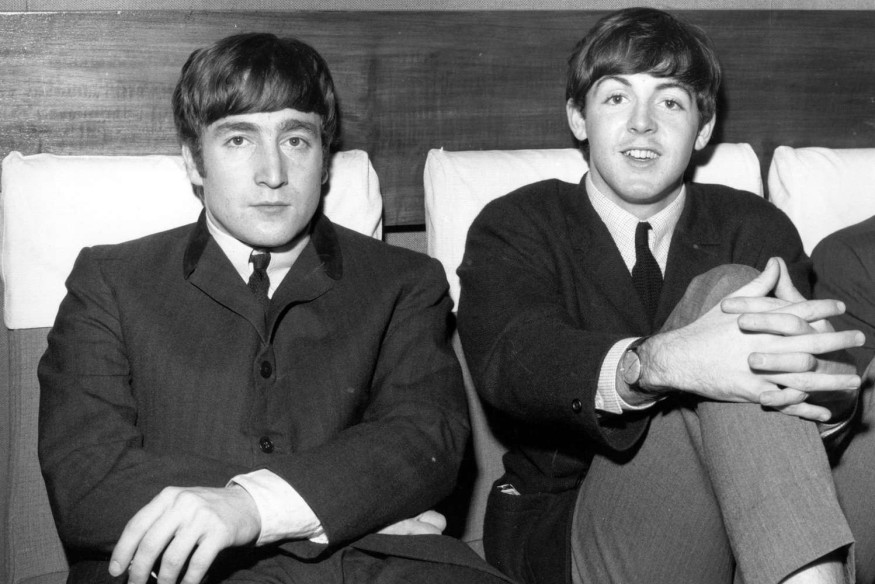
The documentary also places strong focus on Lennon’s relationship with Yoko Ono. Throughout the interview, it becomes clear that he viewed her not only as his life partner but as one of the most important creative forces he had ever encountered. Lennon openly states that only two people had truly managed to maintain a deep creative relationship with him over long periods of time: Yoko Ono and Paul McCartney.
That statement says a great deal about how Lennon viewed trust, collaboration and emotional connection in his artistic life. While much of public conversation around Lennon and Ono often focused on controversy or media narratives, the interview instead presents two people speaking with remarkable openness about love, family and the complicated evolution of their relationship.
The conversation also becomes deeply personal whenever Sean Lennon is mentioned. At the time, Sean was only five years old, and Lennon speaks about him with enormous affection and emotional warmth. He describes fatherhood as something that completely changed the way he saw himself and the world around him. Unlike the early years of his life and career, Lennon appeared determined to become a present and engaged father.
There is also a visible sense of regret when he talks about Julian Lennon, his older son. Without becoming overly dramatic, Lennon admits that he was not there enough during Julian’s childhood and seems aware of the emotional consequences that absence created. These moments remain some of the most vulnerable and human parts of the entire interview, stripping away the mythology surrounding him and revealing someone confronting his own mistakes honestly.
“Behind the myth of John Lennon, the interview reveals a man trying to rebuild parts of his personal life.”
Another fascinating aspect of the conversation is the way Lennon reflects on fame and mortality. At one point, he discusses the assassination of John F. Kennedy and explains why certain public figures become eternal symbols after dying suddenly. Lennon suggests that unfinished lives often remain frozen in collective memory, untouched by the decline or contradictions that come with aging publicly.
Listening to those reflections today creates an almost impossible emotional tension because Lennon himself would soon become exactly that kind of figure. His image would remain permanently connected to youth, creativity, rebellion and tragedy. The world would never see what an older John Lennon might have become artistically or personally because history stopped his story abruptly outside the Dakota that same night.
Steven Soderbergh has spoken publicly about how deeply affected he was after listening to the full recordings of the interview. According to the filmmaker, Lennon and Ono sounded unusually relaxed and honest throughout the conversation, almost like people speaking privately rather than participating in a formal promotional interview. That authenticity is a major reason the recordings continue to resonate decades later.
Unlike many celebrity interviews shaped by image management or media performance, this conversation feels remarkably unguarded. Lennon discusses life, music, family and aging with a calmness that now feels heartbreaking because audiences know the ending before the story finishes. Every ordinary sentence suddenly carries emotional weight simply because of the timing.
The documentary also highlights how different Lennon’s mindset appeared compared to earlier periods of his life. During the 1960s and early 1970s, he was often viewed as confrontational, politically intense and emotionally volatile. In this final interview, however, there is a noticeable sense of peace surrounding him. He sounds thoughtful rather than aggressive, introspective rather than chaotic.
That emotional transformation is one of the most powerful elements inside John Lennon: The Last Interview. Instead of focusing only on Lennon as a cultural icon or former Beatle, the film presents him as someone entering a quieter and potentially more balanced chapter of life. That possibility makes the tragedy feel even heavier because listeners are left imagining what might have happened if he had been given more time.
The recordings capture not simply the final public words of a legendary musician, but the voice of someone who genuinely believed another creative era was just beginning. There is no sense of closure in the conversation. Lennon sounds curious, ambitious and emotionally open, as though he had finally rediscovered a version of himself he wanted to continue exploring for years to come.