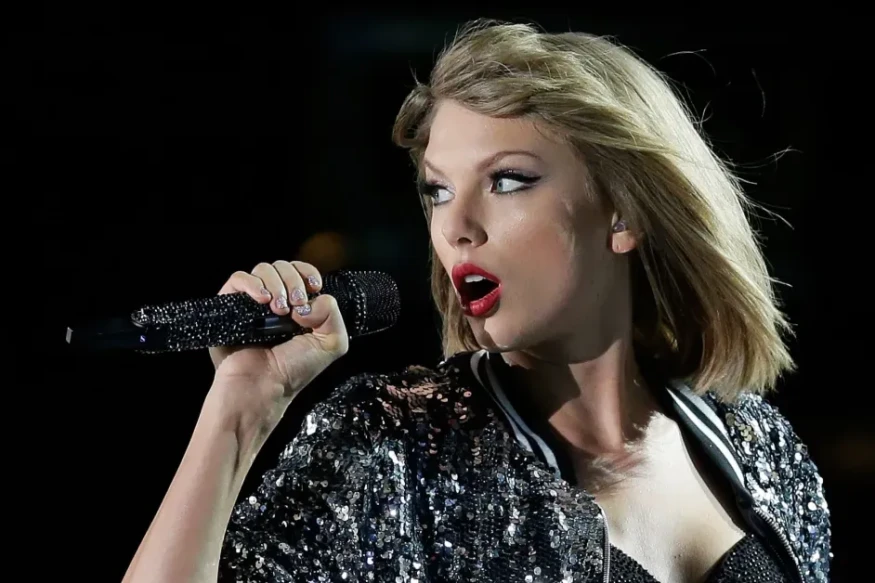
Taylor Swift has officially reached a new milestone in her extraordinary career. According to Forbes, the global superstar’s net worth climbed to an estimated $2 billion as of March 2026, making her the richest female musician in history. The achievement reflects not only the massive success of The Eras Tour but also the long-term value of her music catalog, business decisions and ownership of her recordings.
Few artists in modern music have experienced a rise quite like Taylor Swift. Over the last two decades, she has transformed from a teenage country singer-songwriter into one of the most powerful figures in the entertainment industry. While her influence on music and popular culture has been undeniable for years, her latest financial milestone places her in a category of her own.
According to Forbes’ 2026 Iconoclast 50 list, Swift’s net worth reached an estimated $2 billion by March 2026. The figure officially makes her the wealthiest female musician ever, surpassing every artist who came before her and cementing her position as one of the most successful entertainers of all time.
The foundation of that historic fortune is, unsurprisingly, The Eras Tour. The record-breaking global tour became the highest-grossing concert tour in history, generating approximately $2.2 billion in revenue during its 16-month run. The scale of the tour was unprecedented, with sold-out stadiums across multiple continents and millions of fans attending performances that quickly became cultural events rather than ordinary concerts.
What made The Eras Tour particularly remarkable was its ability to transcend the traditional boundaries of a concert experience. Every show celebrated the different chapters of Swift’s career, creating a unique connection between artist and audience. The tour became a global phenomenon, dominating headlines, social media conversations and economic reports wherever it traveled.
Beyond ticket sales, the success of the tour fueled additional revenue streams through merchandise, streaming growth, film distribution and increased demand for Swift’s extensive music catalog. Each aspect of her business benefited from the momentum created by the tour’s historic popularity.
Her catalog itself remains one of the most valuable assets in modern music. Albums such as The Tortured Poets Department and The Life of a Showgirl continued to perform strongly commercially while adding further value to an already impressive collection of recordings. Combined with her earlier releases, Swift controls one of the most successful bodies of work ever assembled by a contemporary artist.
A major factor behind her financial growth has been her determination to regain ownership of her music. In one of the most closely followed business stories in the entertainment industry, Swift embarked on an ambitious project to re-record several of her earlier albums after losing control of her original masters. The move was widely viewed as revolutionary, inspiring discussions throughout the music industry about artist ownership and creative rights.
The strategy ultimately proved enormously successful. By releasing Taylor’s Version editions of her classic albums, Swift encouraged fans to support recordings she fully controlled while simultaneously creating new commercial opportunities from familiar material. The re-recordings achieved impressive chart success and generated significant revenue, further strengthening her position.
That journey reached another important milestone in May 2025 when Swift regained control of her masters in a deal reportedly valued at approximately $360 million. The acquisition marked the conclusion of a highly publicized battle that began six years earlier when her original recordings were sold without her involvement. For many observers, the moment represented not only a business victory but also a symbolic statement about artistic independence.
Real estate has also contributed to her growing fortune. Swift’s property portfolio, valued at more than $110 million according to previous estimates, includes residences in several of the most desirable locations in the United States. While real estate represents only a fraction of her overall wealth, it remains another example of her carefully managed financial strategy.
The achievement becomes even more remarkable when considering the broader context of the entertainment industry. While many musicians build fortunes through touring and endorsements, Swift’s wealth is unique because so much of it remains directly connected to her music. Songwriting royalties, publishing rights, recording ownership and catalog value continue to generate long-term financial growth beyond the typical revenue sources available to artists.
Her inclusion at the top of Forbes’ latest rankings places her alongside some of the most influential cultural figures in the world. The 2026 Iconoclast 50 list also recognized notable names such as Beyoncé, Bad Bunny, The Weeknd and filmmaker Ryan Coogler, but Swift’s financial achievement stood out as one of the most significant stories in the report.
Despite her extraordinary financial success, Swift has also remained visible through her charitable efforts. Over the years she has made substantial donations supporting disaster relief, education initiatives and families facing unexpected tragedies. Among the most widely reported examples were contributions to victims of natural disasters and financial support for families affected by high-profile incidents in the United States.
For fans, however, the significance of the $2 billion milestone extends beyond numbers. It reflects the extraordinary connection between Taylor Swift and her audience. Every album, tour, re-recording and business decision has been supported by one of the most dedicated fan communities in modern entertainment. The loyalty of that audience has played a crucial role in transforming her artistic success into unprecedented financial achievements.
The milestone also highlights the changing dynamics of the music industry. In an era dominated by streaming platforms and rapidly shifting consumption habits, Swift has demonstrated that artists can still build lasting value through ownership, creative control and direct engagement with their audience. Her career has become a blueprint studied by musicians, executives and business leaders alike.
At 36, Taylor Swift continues to expand a legacy that already ranks among the most influential in music history. With a $2 billion fortune, record-breaking tours and complete control over much of her creative output, she has achieved a level of success few artists could have imagined. And judging by the momentum surrounding her career, there is little indication that her story is slowing down anytime soon.