Madonna and Michael Jackson were the two most dominant forces in pop music, yet the brief period when their worlds collided revealed a relationship filled with tension, contrasts and unrealized expectations. From a highly publicized Oscars appearance to creative disagreements behind closed doors, their connection became one of the most fascinating and misunderstood chapters in pop culture history.
What really happened between Madonna and Michael Jackson:
Two global superstars tried to connect both creatively and personally.
Their completely different personalities ultimately made that impossible.
The renewed fascination surrounding Madonna and Michael Jackson comes at a moment when both names are once again central to conversations about pop culture history. On one side, the upcoming Michael Jackson biopic is reigniting interest in his personal and professional relationships, while Madonna’s current musical era continues to place her legacy back into the spotlight. In that context, their short-lived connection feels more relevant than ever.
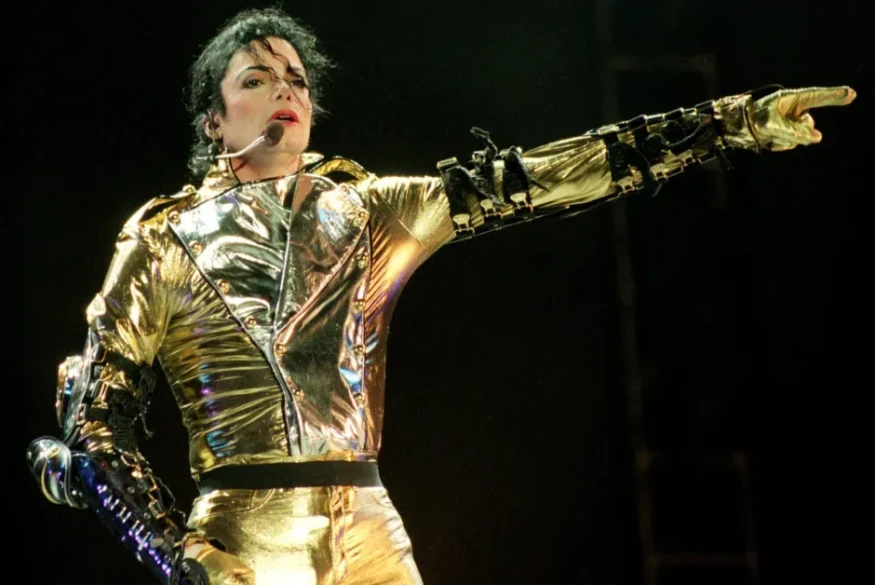
When Madonna and Michael Jackson first crossed paths publicly, both artists were operating at the absolute peak of their influence. Madonna had already built an identity centered around reinvention, provocation and total control over her public narrative. Michael Jackson, meanwhile, represented a completely different kind of superstardom — more private, calculated and emotionally guarded, yet equally powerful in cultural impact.
Those differences became the foundation of both the attraction and the eventual disconnect between them.
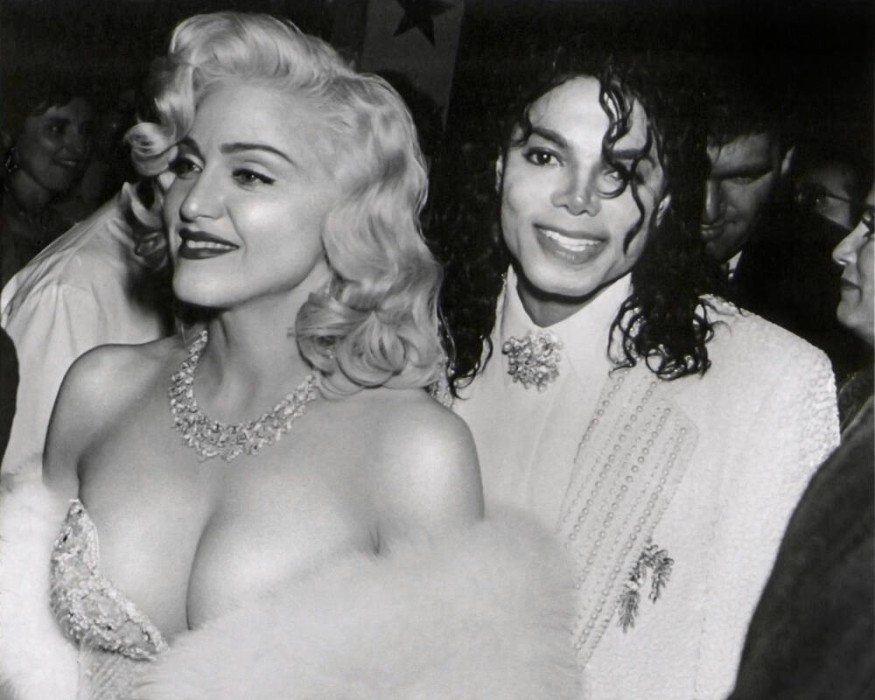
Their most iconic moment together arrived at the 1991 Academy Awards, when Madonna and Michael Jackson appeared hand in hand on the red carpet in one of the decade’s most unforgettable celebrity appearances. Madonna, channeling old Hollywood glamour inspired by Marilyn Monroe, stood beside Michael Jackson’s instantly recognizable military-inspired style, creating an image that immediately became part of pop culture mythology.
“It was never about chemistry alone — it was about two completely different worlds trying to coexist.”
Behind the cameras, however, the reality was far more complicated than the glamorous image suggested. According to various accounts that later emerged, Madonna approached the relationship with the same intensity that defined her career. She often pushed boundaries, challenged expectations and attempted to influence the direction of both public perception and private interaction.
Michael Jackson, on the other hand, maintained a far more controlled and protective relationship with his image and personal space. While Madonna embraced confrontation and unpredictability, Michael Jackson preferred precision, privacy and emotional distance.
That contrast created friction almost immediately.
The tension between them reportedly extended into possible musical collaboration discussions as well. One of the most discussed examples involved Michael Jackson’s track “In the Closet,” which Madonna was allegedly considered for during early development stages. According to stories surrounding the project, Madonna proposed a more provocative and sexually charged creative direction for both the song and its visual presentation.
Michael Jackson ultimately chose not to move forward with those ideas.
The disagreement was not simply artistic. It exposed a deeper incompatibility between two artists who approached fame, identity and self-expression from entirely different angles. While Madonna often saw controversy as a creative tool, Michael Jackson appeared far less comfortable with the kind of explicit direction she envisioned.
The conflict between them reflected more than personality — it reflected two opposing philosophies of pop stardom.
Their personal interactions reportedly became equally complicated. Stories that later surfaced described evenings together that started casually but eventually revealed how differently they viewed public behavior and private life. One widely discussed account involved Madonna suggesting a more provocative nightlife experience that Michael Jackson allegedly rejected entirely, uncomfortable with the atmosphere and direction of the evening.
Moments like these reinforced the growing understanding that despite their shared fame, they operated in completely different emotional and cultural spaces.
Over time, the distance between them reportedly became more visible, even publicly. Comments attributed to both artists in later years suggested lingering frustration and misunderstanding. While neither turned the situation into a major public feud, the tone surrounding their relationship shifted from fascination to subtle criticism and disappointment.
Even so, the idea of Madonna and Michael Jackson together continued to captivate fans and media long after their brief connection ended. Industry insiders and collaborators often referenced that era as one of the most unusual intersections in entertainment history — not because it lasted, but because it represented two massive cultural forces briefly attempting to share the same orbit.
The fascination also comes from what their relationship symbolized culturally. Madonna embodied extroversion, controversy and deliberate disruption. Michael Jackson represented perfectionism, mystery and carefully managed emotional vulnerability. Both transformed pop music forever, but they did so using entirely different methods.
That contrast made their relationship almost impossible to sustain.
At the same time, their brief connection reflected a broader reality within celebrity culture: global fame does not automatically create compatibility. In many ways, the pressure surrounding their individual identities likely made genuine closeness even more difficult. Each carried enormous expectations, public scrutiny and carefully crafted personas that left little room for compromise.
Despite everything, the relationship remains one of pop culture’s most endlessly revisited stories because it combined glamour, mystery, tension and missed potential. Fans continue to wonder what might have happened if they had successfully collaborated musically or managed to build a stronger personal connection beyond the cameras.
The story also survives because both Madonna and Michael Jackson continue to represent defining eras of pop music history. Any intersection between their careers instantly carries symbolic weight, especially for audiences fascinated by the golden age of celebrity-driven music culture.
Their brief relationship ultimately became less about romance and more about collision — two icons attempting to coexist without abandoning the identities that made them famous in the first place.
Madonna and Michael Jackson did not fail because they lacked star power — they failed because neither of them knew how to exist anywhere except at the center of the spotlight.
That reality is precisely what keeps the story alive decades later. It was never a traditional romance, nor a straightforward creative partnership. Instead, it became a rare moment where two of the biggest entertainers in modern history briefly stepped into each other’s worlds, only to discover how fundamentally different those worlds truly were.